Best Desk Lamp for Home Office: Complete LED Buying Guide 2024
Choosing the best desk lamp for home office productivity can transform your workspace from a strain-inducing environment to an ergonomic haven. The right LED desk lamp provides optimal illumination for focused work, reduces eye fatigue during long hours, and complements your overall workspace setup. With proper task lighting, you'll experience improved concentration, reduced headaches, and better work quality throughout your day.
Key Takeaways:
- LED desk lamps offer 50,000+ hour lifespans and 80% energy savings over traditional bulbs
- Look for 1000+ lumens with adjustable brightness and color temperature (3000K-6500K range)
- Ergonomic adjustability prevents neck strain and creates customized lighting angles
- Eye-care features like flicker-free technology and blue light filtering reduce fatigue
- Consider your desk size, monitor setup, and daily tasks when selecting lamp style and placement
What Makes the Best Desk Lamp for Home Office Work?
The ideal home office desk lamp combines several critical features that directly impact your productivity and comfort. Brightness control stands as the most important factor—your lamp should offer at least 1000 lumens with stepless dimming capabilities. This range allows you to adjust lighting intensity based on the time of day, task complexity, and ambient room lighting.
Color temperature flexibility proves equally crucial for maintaining your circadian rhythm and reducing eye strain. Quality LED desk lamps provide a range from warm white (3000K) for relaxing evening work to cool daylight (6500K) for focused daytime tasks. This adjustability helps your brain stay alert during work hours while promoting relaxation during wind-down periods.
Ergonomic design features separate premium lamps from basic models. Look for multi-joint articulation that allows precise positioning of light exactly where you need it. The lamp head should rotate 360 degrees, with the arm offering multiple pivot points. This flexibility becomes essential when you're switching between keyboard work, document reading, and detailed tasks throughout your day.
LED Technology Benefits for Home Office Lighting
LED desk lamps have revolutionized home office lighting with their superior efficiency and longevity. Modern LED chips last 50,000 to 100,000 hours—roughly 25 years of typical office use—while consuming 80% less energy than traditional incandescent bulbs. This longevity translates to significant cost savings and eliminates the hassle of frequent bulb replacements.
Heat generation presents another major advantage of LED technology. Unlike halogen or incandescent lamps that can make your workspace uncomfortably warm, LED desk lamps remain cool to the touch even after hours of operation. This characteristic is particularly beneficial in smaller home offices where excess heat can impact comfort and productivity.
Advanced LED desk lamps incorporate flicker-free technology that eliminates the subtle strobing effect present in cheaper lighting solutions. This invisible flickering can cause eye fatigue, headaches, and concentration difficulties during extended work sessions. Premium LED lamps use high-frequency drivers that provide steady, consistent illumination that's easier on your eyes.
Essential Features to Consider When Buying
When evaluating desk lamp options, prioritize models with memory functions that remember your preferred brightness and color temperature settings. This feature eliminates daily adjustments and ensures consistent lighting conditions that match your work routine. Some advanced models even offer preset modes for different activities like reading, computer work, or creative tasks.
Control mechanisms significantly impact daily usability. Touch-sensitive controls offer intuitive operation, while physical buttons provide tactile feedback that some users prefer. Look for lamps with clearly marked controls that remain accessible even when the lamp is positioned at various angles. Some premium models include remote controls or smartphone app integration for convenient adjustments.
Consider the power supply options available with your chosen lamp. USB-C powered models offer flexibility and can connect to your laptop or a USB-C docking station for streamlined cable management. Traditional AC adapters provide consistent power but require dedicated wall outlets. Some hybrid models offer both options for maximum versatility.
The build quality and materials directly affect longevity and stability. Aluminum construction provides durability while maintaining a lightweight profile. The base should offer sufficient weight and size to prevent tipping, especially when the lamp arm is fully extended. Smooth joint operation ensures the lamp maintains its position without gradual sagging over time.
Optimal Desk Lamp Placement and Setup
Proper lamp placement prevents shadows and glare that can strain your eyes and reduce productivity. Position your desk lamp to the side opposite your dominant hand—if you're right-handed, place the lamp on your left side. This arrangement prevents your hand from casting shadows across your work area while writing or using your mouse.
For computer-focused work, maintain the monitor rule: your desk lamp should not reflect directly off your screen surface. Position the light source slightly behind and to the side of your monitor, angled to illuminate your keyboard and desk surface without creating screen glare. The lamp height should be adjustable to match your monitor's top edge.
Consider your overall workspace setup when choosing lamp style. If you're using a monitor stand riser or multiple monitors, a clamp-style lamp might provide better positioning flexibility than a traditional base model. Clamp lamps also free up valuable desk real estate for other essential items like your mechanical keyboard or documents.
The ambient lighting relationship affects how your desk lamp performs throughout the day. In bright daylight conditions, you'll need higher lamp output to maintain proper contrast ratios. During evening hours, lower lamp settings combined with reduced ambient lighting create comfortable working conditions without disrupting your sleep cycle.
Desk Lamp Styles for Different Work Environments
Architect-style lamps offer the ultimate in adjustability and professional appearance. These models feature long, articulated arms with heavy counterbalanced bases that provide stable positioning at any angle. The LED architect desk lamp with double head design takes this concept further, offering dual light sources for comprehensive workspace illumination. This style works exceptionally well for detailed work, drafting, or when you need to illuminate both your keyboard area and document space simultaneously.
Minimalist tower lamps suit modern, clean workspace aesthetics while providing excellent task lighting. These vertical designs take up minimal desk footprint while offering adjustable heads that can direct light precisely where needed. Tower lamps work particularly well in smaller home offices where desk space is at a premium.
Clamp-on models provide maximum flexibility for dynamic workspaces. These lamps attach securely to desk edges, shelves, or monitor arms, freeing up surface space while offering full positioning control. Clamp lamps excel in situations where you frequently reconfigure your workspace or need to move the light source for different tasks.
For users who frequently switch between computer work and paper-based tasks, swing-arm wall-mounted lamps offer an excellent solution. These models mount to the wall behind your desk, providing overhead task lighting that can swing out of the way when not needed. This style works particularly well in compact home offices where desk space is limited.
Eye Care and Health Considerations
Extended screen time combined with inadequate lighting creates a perfect storm for digital eye strain. Quality desk lamps incorporate blue light filtering technology that reduces the high-energy visible light that can disrupt sleep patterns and contribute to eye fatigue. Look for lamps that offer adjustable blue light reduction, allowing you to customize the filtering based on the time of day and your sensitivity levels.
Circadian rhythm support has become an increasingly important feature in premium desk lamps. These models automatically adjust color temperature throughout the day, providing energizing cool light during morning hours and gradually shifting to warmer tones as evening approaches. This natural light progression helps maintain your body's internal clock, improving both daytime alertness and nighttime sleep quality.
The contrast ratio between your screen brightness and surrounding lighting significantly impacts eye comfort. Your desk lamp should provide sufficient ambient light to reduce the stark contrast between a bright monitor and dark surroundings. Aim for lighting that's approximately one-third the brightness of your screen to create comfortable viewing conditions.
Consider the uniformity of light distribution across your workspace. Harsh shadows or bright hotspots force your eyes to constantly readjust, leading to fatigue and reduced concentration. Quality desk lamps use diffusion techniques or multiple LED arrays to create even, comfortable illumination across your entire work surface.
Integration with Your Complete Home Office Setup
Your desk lamp should complement and enhance your overall workspace efficiency. Consider how the lamp's power requirements integrate with your existing setup—models that can connect through your USB-C docking station reduce cable clutter and simplify your desktop organization. This integration becomes particularly valuable when combined with proper cable management solutions that keep your workspace clean and professional.
Think about your daily workflow when selecting lamp features. If you frequently participate in video calls, ensure your chosen lamp provides flattering, even illumination for your 4K streaming webcam without creating harsh shadows or glare. The lamp's positioning should enhance your on-camera appearance while providing adequate task lighting for note-taking during meetings.
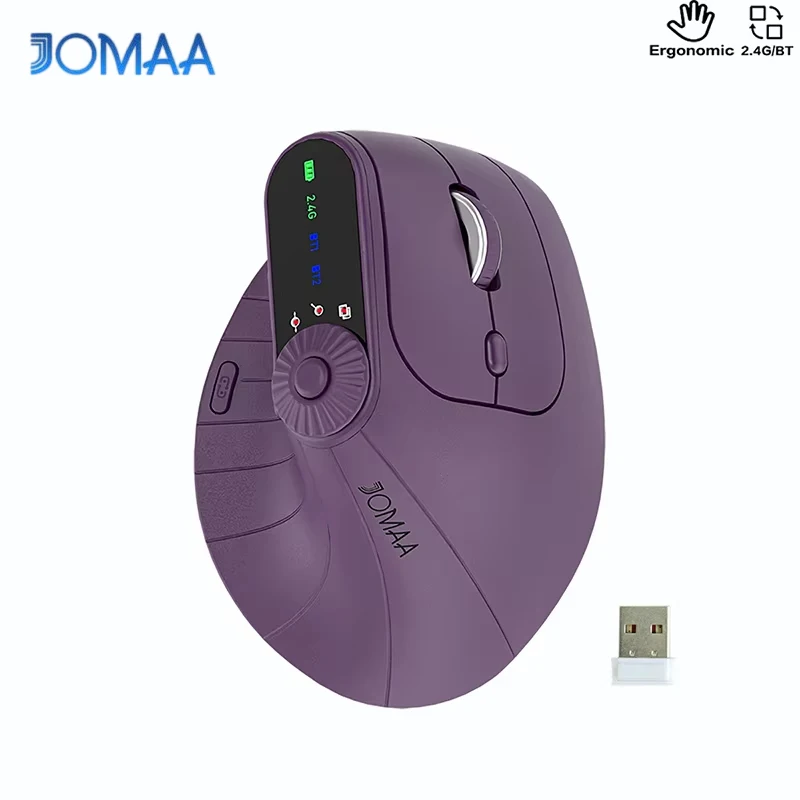
For users who work with physical documents alongside digital tasks, consider how your lamp coordinates with your input devices. The illumination should provide clear visibility for handwritten notes without interfering with your wireless mouse operation or creating uncomfortable glare when switching between screen and paper.
Making Your Final Decision
Selecting the best desk lamp for home office use requires balancing your specific needs with available features and budget considerations. Start by evaluating your primary work activities—do you spend most time on screen-based tasks, work with physical documents, or switch between both throughout the day? This assessment guides your priority features and helps narrow your options effectively.
Consider the long-term value of your investment. While premium LED desk lamps require higher upfront costs, their energy efficiency, longevity, and health benefits often justify the expense over time. Calculate the total cost of ownership, including energy consumption and replacement needs, when comparing options.
Test the adjustment mechanisms if possible before purchasing. Smooth, stable positioning that holds securely at any angle prevents frustration during daily use. The controls should be intuitive and accessible, allowing you to make quick adjustments without disrupting your workflow.
Ready to upgrade your home office lighting? Explore our complete collection of premium desk gear and work-from-home essentials to create a workspace that enhances both productivity and comfort. The right lighting investment pays dividends in improved focus, reduced eye strain, and enhanced work quality for years to come.
Shop products from this guide
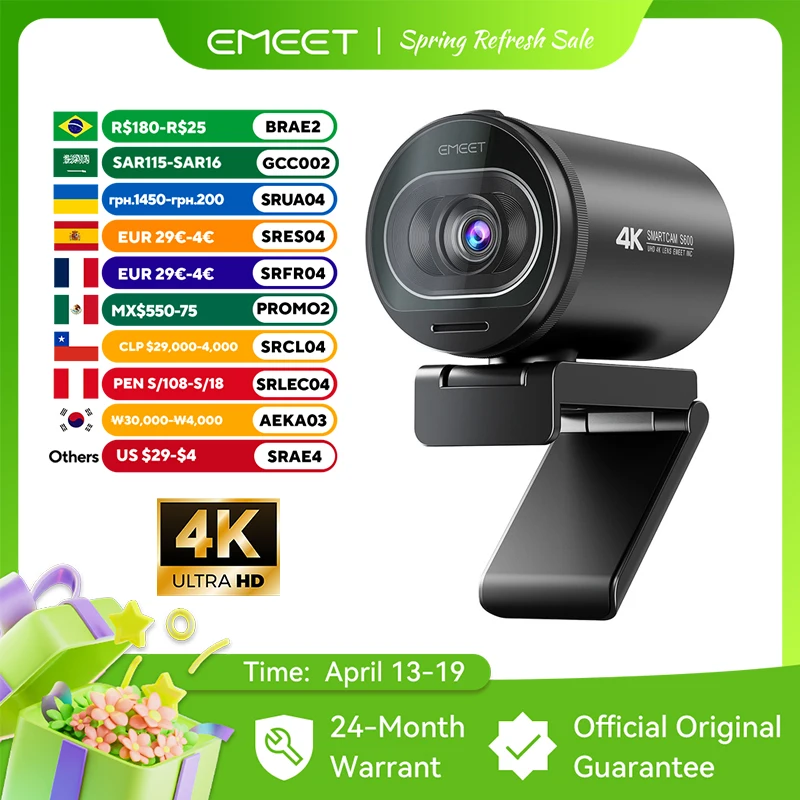
EMEET S6 4K Webcam - 1080P 60FPS Pro Streaming Camera
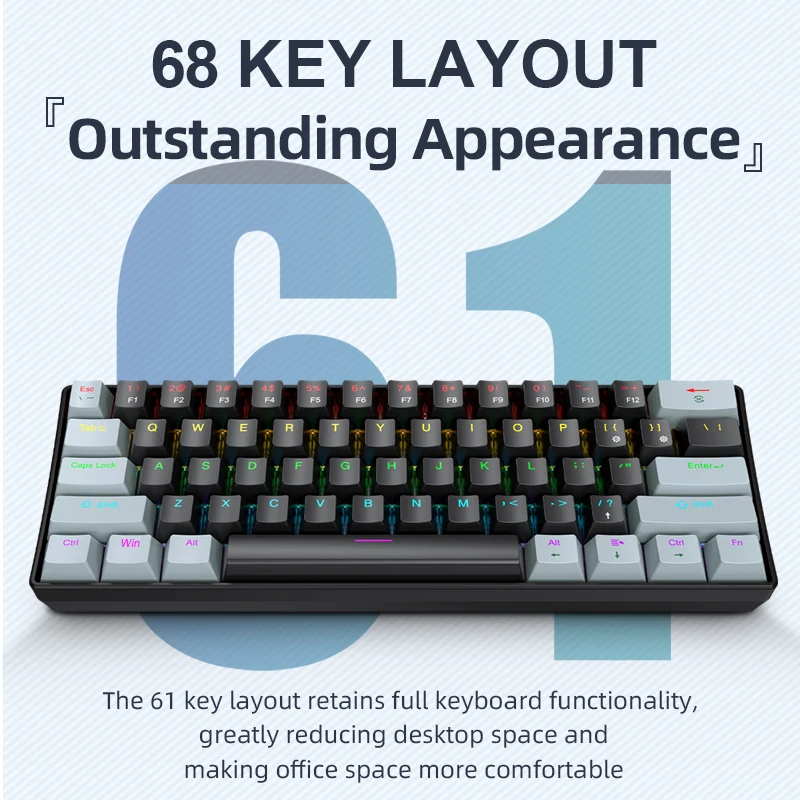
APAYADO K61 Mini RGB Mechanical Keyboard - 61 Key Compact

AULA F75 MAX 75% Wireless Mechanical Keyboard - Premium
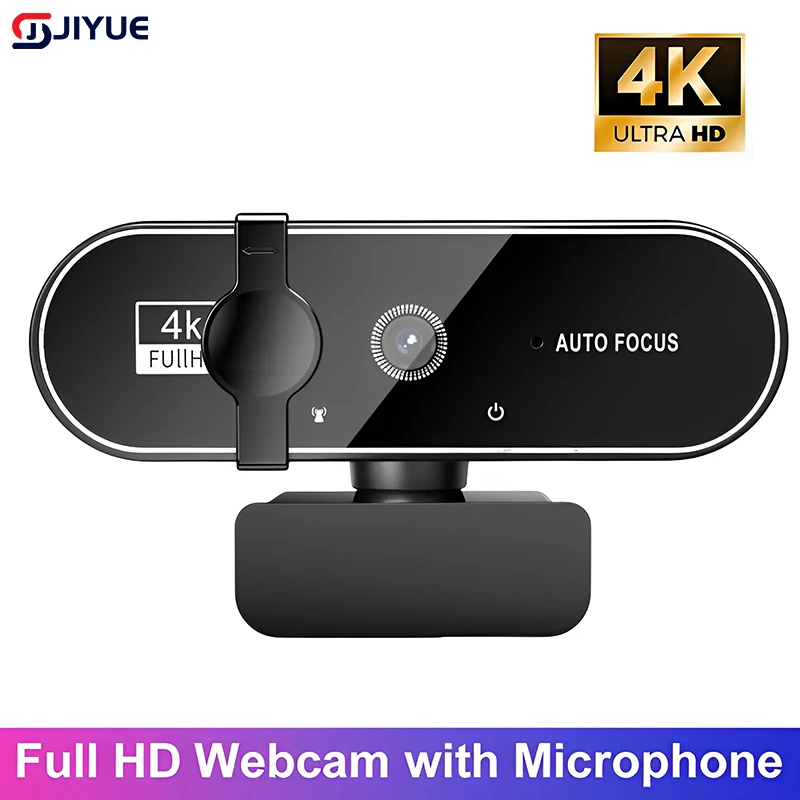
4K Webcam with Autofocus - Professional Streaming Camera
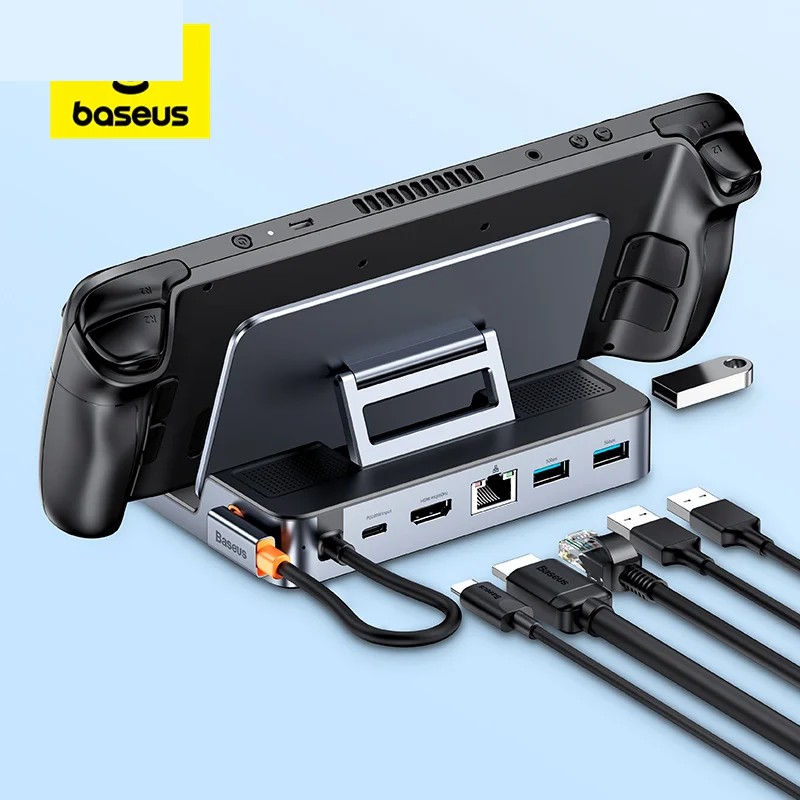
Baseus 6-in-1 USB-C Hub - 4K HDMI Docking Station 100W